
Stretching is often overlooked in daily routines, yet it holds powerful benefits that can improve your health and longevity. Many people focus on strength training or cardio, but flexibility plays a crucial role in maintaining a healthy body. This post explores the science behind stretching and how increasing your flexibility can lead to a longer, healthier life.
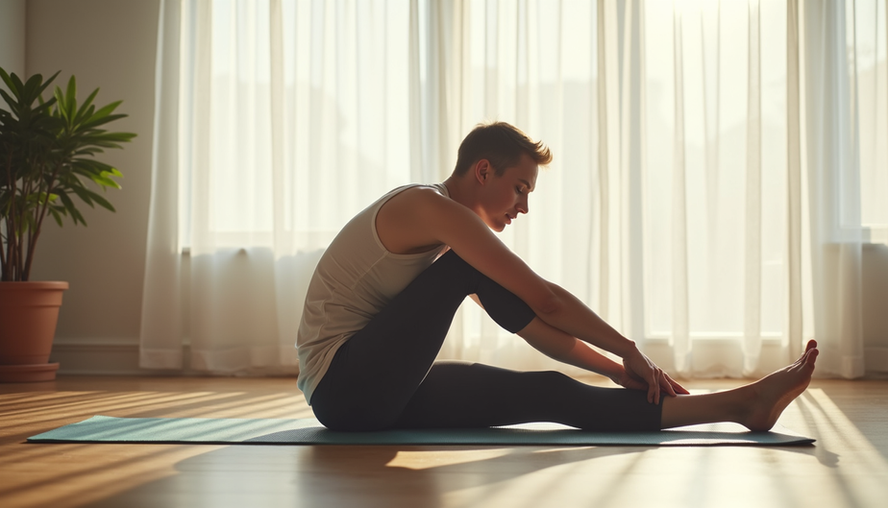
Why Flexibility Matters for Health
Flexibility is the ability of your joints and muscles to move through their full range of motion. When your body is flexible, you reduce the risk of injuries, improve posture, and enhance overall movement efficiency. As we age, muscles and joints tend to stiffen, which can limit mobility and increase the chance of falls or strains.
Research shows that maintaining flexibility supports better circulation, reduces muscle soreness, and helps prevent chronic pain conditions such as lower back pain. Flexible muscles also allow for better balance and coordination, which are essential for daily activities and independence in older adults.
The Science Behind Stretching
Stretching works by gently elongating muscle fibers and connective tissues. This process increases blood flow to the muscles, delivering oxygen and nutrients that aid in recovery and repair. Stretching also activates the nervous system, improving muscle control and reducing tension.
Studies have found that regular stretching can improve muscle elasticity and joint range of motion. For example, a 2017 study published in the Journal of Physical Therapy Science showed that participants who stretched daily for six weeks experienced significant improvements in flexibility and reduced muscle stiffness.
Types of Stretching and Their Benefits
There are several types of stretching, each with unique benefits:
- Static Stretching
Holding a stretch for 15-60 seconds helps lengthen muscles and improve flexibility. It is best done after exercise to cool down and relax muscles. - Dynamic Stretching
Involves moving parts of your body through a full range of motion in a controlled way. It prepares muscles for activity and improves blood flow. - PNF Stretching (Proprioceptive Neuromuscular Facilitation)
This advanced technique involves contracting and relaxing muscles to increase flexibility. It is often used in physical therapy. - Ballistic Stretching
Uses bouncing movements to push muscles beyond their normal range. This method carries a higher risk of injury and is generally not recommended for most people.
For most individuals, combining dynamic stretching before workouts and static stretching after exercise provides the best results.
How Stretching Supports Longevity
Flexibility contributes to a longer life by promoting physical independence and reducing injury risk. When your muscles and joints move freely, you can stay active longer, which supports heart health, weight management, and mental well-being.
A study published in The Journals of Gerontology found that older adults with better flexibility had a lower risk of disability and maintained higher levels of physical function. Stretching also helps reduce muscle imbalances that can lead to chronic pain or joint problems, which often limit activity as people age.
Practical Tips to Incorporate Stretching Into Your Routine
Adding stretching to your daily routine does not require much time or equipment. Here are some practical tips:
- Start Small
Begin with 5-10 minutes of stretching daily, focusing on major muscle groups like hamstrings, calves, hips, and shoulders. - Be Consistent
Stretch regularly to see improvements. Consistency matters more than intensity. - Listen to Your Body
Stretch to the point of mild tension, not pain. Avoid bouncing or forcing movements. - Use Props if Needed
Yoga straps, blocks, or towels can help you reach deeper stretches safely. - Combine with Other Activities
Stretch after walking, running, or strength training to enhance recovery.
Examples of Effective Stretching Exercises
Here are some simple stretches you can try at home:
- Seated Forward Fold
Sit with legs extended, reach toward your toes, and hold for 30 seconds. - Cat-Cow Stretch
On hands and knees, alternate arching and rounding your back to loosen the spine. - Chest Opener
Clasp hands behind your back and gently lift your arms to stretch the chest and shoulders. - Hip Flexor Stretch
Kneel on one knee, push hips forward to stretch the front of the hip. - Neck Stretch
Tilt your head to one side, hold, then switch to relieve neck tension.
Stretching and Mental Health
Stretching also benefits mental health by reducing stress and promoting relaxation. Slow, mindful stretching activates the parasympathetic nervous system, which helps lower heart rate and calm the mind. Many people find that stretching routines combined with deep breathing improve sleep quality and reduce anxiety.
When to Avoid Stretching or Seek Professional Advice
While stretching is generally safe, certain conditions require caution:
- Acute injuries such as sprains or strains
- Severe joint pain or inflammation
- Specific medical conditions affecting muscles or nerves
If you experience sharp pain or discomfort during stretching, stop immediately and consult a healthcare professional. Physical therapists can design personalized stretching programs tailored to your needs.